Overheard Words

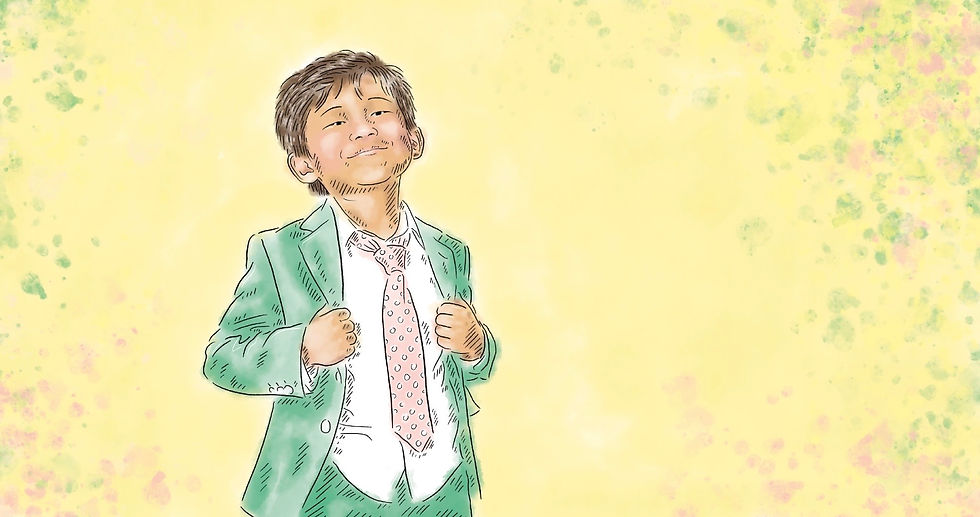
A clever father found a way to boost his son’s feelings of self-worth during a time of family transition. He purposely spoke on the phone in front of his son, listing the ways he was being a great big brother to their new baby. Sometimes he even pretended to make a call even though there was no one on the line, talking enthusiastically about his son’s amazing new brotherly behavior.
This empathic dad intuited that overheard conversations often make more of an impression on children than giving them praise directly. He could highlight abilities that were just emerging but not mastered: touching the baby in gentle ways, being quiet while baby is sleeping, helping with chores. Letting children hear us talk about them to others is one of the tools recommended by the Nurtured Heart Approach.
In fact, psychologists say that listening to adult conversations is one of the important ways children come to understand the world, as they overhear adults talking about a whole variety of topics. People often don’t realize how much children absorb and try to digest. That’s why it’s important for parents and teachers to be conscious that children tune in to adult discussions, particularly if they hear people are speaking in an emotionally charged way. The old saying “Little pitchers have big ears” was used as a reminder that little ones can be disturbed by overhearing subjects they aren’t mature enough to understand.
The flip side is that overhearing adult conversations can aid in children’s perspectives on situations in their own lives. Psychologists suggest that we can consciously shape our conversations to expand children’s social-emotional learning. We might talk about learning to empathize with another person or about feeling sorry about something we said and how we intend to make amends. When children are having issues, we can talk about ways we are problem-solving similar problems. In this online article, a child therapist describes five conversations we want children to overhear.
This is a helpful topic for us to consider as a community of people dedicated to nurturing children’s well-being. At the start of the new year, it’s nice to think about how overheard conversations can create joy rather than worry. We can purposely talk about the ways we notice wonderful qualities in others, the times we feel excited about their accomplishments and happy about occurrences in their lives.
In the big picture of our lives, we want children to overhear discussions that amplify their sense that they live in a nurturing environment where people care about and respect one another.