The Silence Game

Quiet as a cloud that tiptoes through the sky, Quiet as a cloud am I. Hushed as a fish, gliding through the sea, Hushed as a fish will I be.
—From “The Quiet Song” by Hank Mindlin
Images of silence from the Meher Schools’ “Quiet Song” prompt me to ask an unusual question: “How do children today learn about the nourishing resource of silence in a noisy world?”
Research shows that experiences of silence promote neurogenesis—the growth of new brain cells—and can enhance learning and emotional calm. “The Quiet Song” helps us remember that silence actually exists in different realms, and thinking about those images can help us see ways to create it. However, today we are habituated to tuning out the cacophony of sound that so often bombards us. The hum of traffic. The clanking of garbage trucks. The blare of leaf blowers.
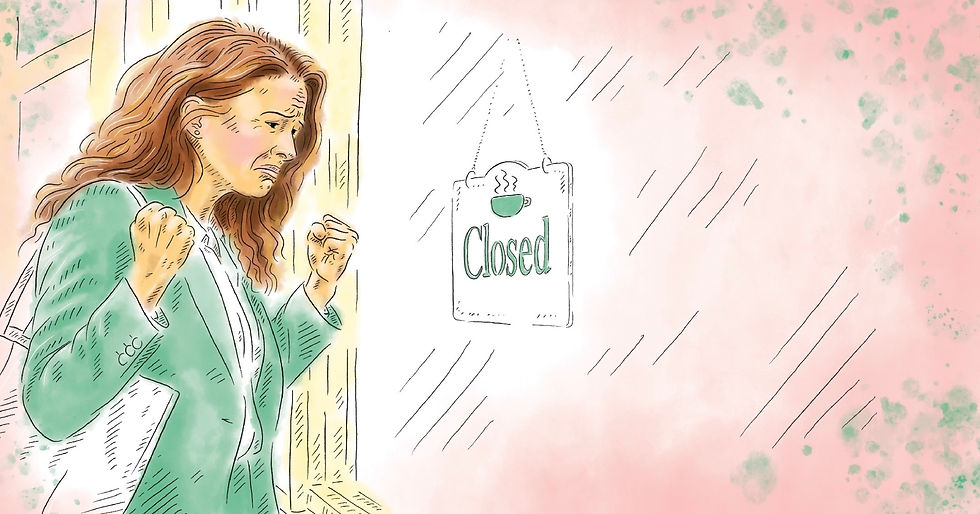
When my friend and I met at a coffeehouse recently, our conversation was punctuated by loud clatter from the kitchen. She and I have learned to tune out that background noise because we see this as a fun place to meet. But in reality, our brains are working actively work to concentrate on what we are saying, and that process is tiring. This kind of adjustment to background noise seems normal today. Yet scientists say that the increasing decibels that surround us take a toll on our health and our ability to concentrate for more than a few minutes at a time.
Children themselves are a source of noise. Walking by our playgrounds will remind you that their free play can be really loud, and that seems normal.
We often don’t realize that experiences of silence can be equally exhilarating to children. The Montessori approach, with its emphasis on laser-like concentration, has a traditional classroom “silence game.” A teacher invites children to work in silence, and the children enjoy seeing how soundlessly they can move around the room.
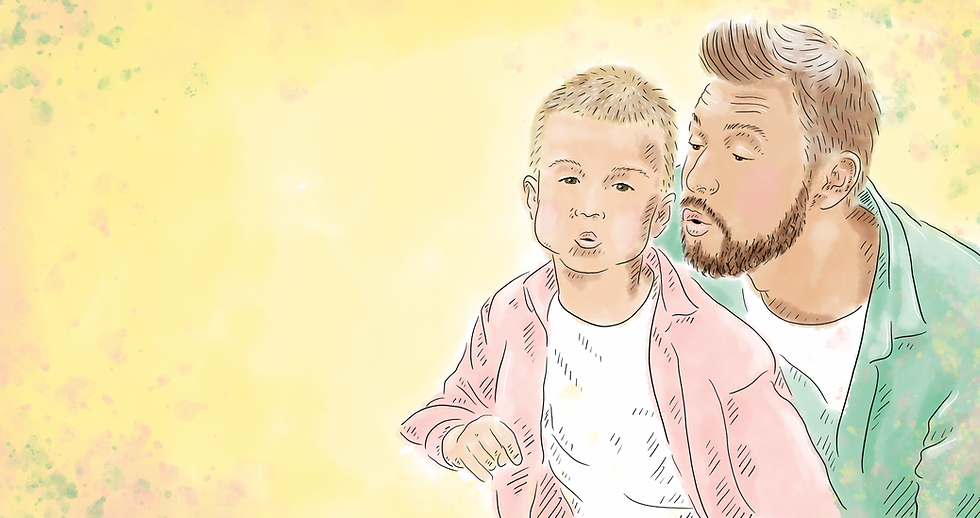
I have witnessed silent worktimes many times, and the feeling in the classroom is always joyful. Parents can play the silence game at home. “Let’s see how long we can go without making a sound.” This isn’t a punitive exercise, and there doesn’t need to be any censure for a child talking. The idea is to help children feel empowered to create silence.
When my children were young, we often played the silence game at home. It was a great way to sidetrack squabbles. When there was prolonged fighting, I would suggest, “Let’s play the silence game,” and as the blanket of silence surrounded us, the causes of disagreements were usually forgotten. Silence, like few other things, has the power to soothe and allow us to be our best selves.