Growing Calm
“Someone pushed me, and I didn’t push back, I found a teacher,” a four-and-a-half-year-old boy proudly announces to his father at the end of the day. His excitement indicates his sense that this was a huge step forward in his development.
Stopping and getting help mid-dispute demonstrates what we call self-regulation, the ability to manage feelings and respond rather than react. In a few years, he and his classmate will have learned to resolve a heated argument themselves with words. However, knowing that it’s sometimes appropriate to call on an adult to intercede in an escalating or repetitive conflict is important for children into adolescence.
Teachers play important roles in helping children learn to calm themselves even when they have “big feelings” and to work out conflicts in productive ways. One central way they do that is through conversations where they can safely express emotions and reflect on the best way to manage complex situations.
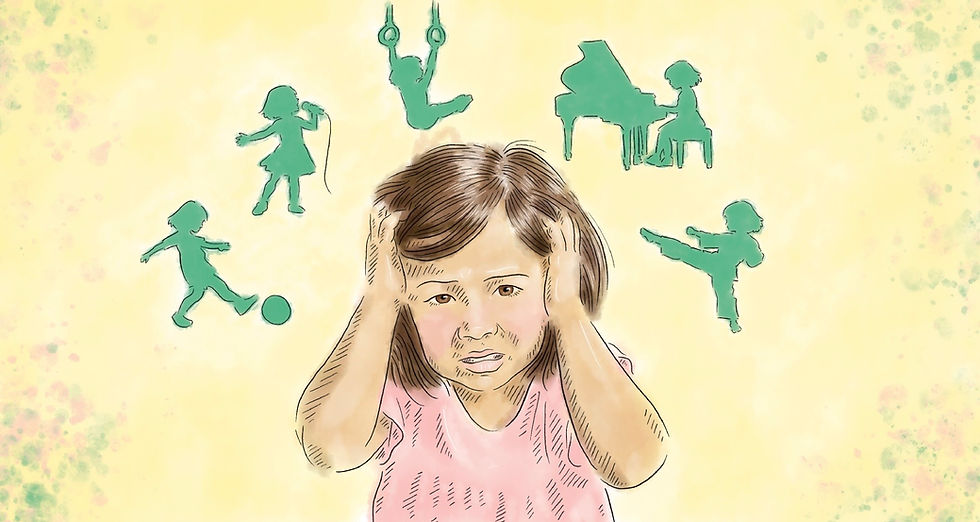
Fourth-grade teacher Christie Vinson recently asked her students to talk about ways they self-regulate when they feel stressed. Here are some of their favorite techniques: singing or humming, spending time with an animal, breathing, drawing, making a list, going for a walk, playing an instrument, reading, having a conversation with someone, having a conversation with themself, physical activity, holding a stuffed animal, and using a fidget. Ms. Christie and her co-teachers have set up a quiet corner in the classroom with stuffed animals and fidget toys. Ms. Christie says, “As a teacher, my overall goal is to normalize the idea that everyone needs to regulate their emotions and energy sometimes, and there are many ways to do it.”
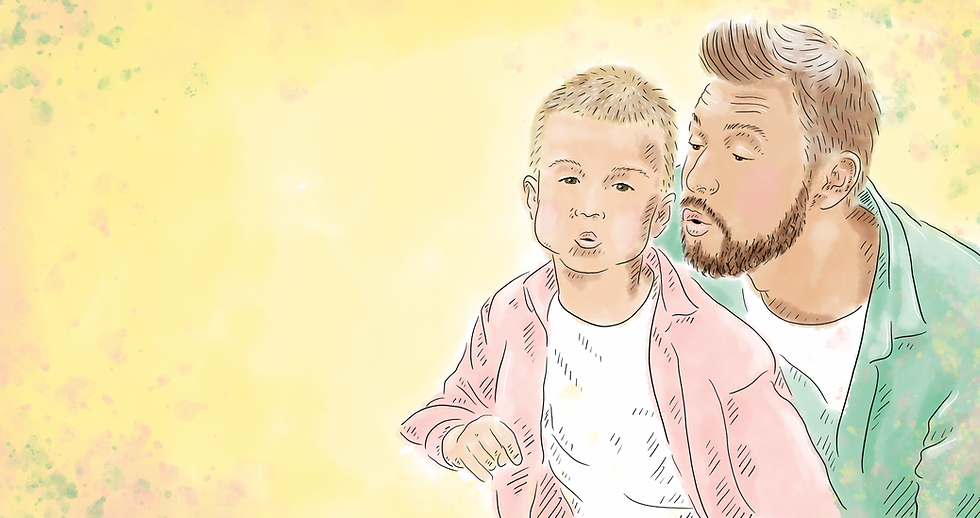
How do children learn creative ways to self-regulate? Often it’s from parents who pay attention to their own reactions. One preschool mom who has focused deeply on helping her three-year-old son learn to regulate says, “It’s not that parents shouldn’t get stressed when their children are upset. We all do. But adults need to lovingly repair the connection between them after a child calms down. They can’t hear us before that happens. After a tantrum, I tell my son if he has any anger left, he can breathe it out in a dragon’s breath.”
In all these examples, we are witnessing an emerging new consciousness. Even a decade ago, parents didn’t tell children to “stop and breathe,” yet I hear people in our hallways doing that every day. They know that the old way of saying, “Calm down, right now,” doesn’t work. Instead, like the father in the first story whose son stopped himself from retaliating, people are celebrating children for each new step in learning to handle bumps in the road with more equanimity and peace.