Developing Emotional Resilience
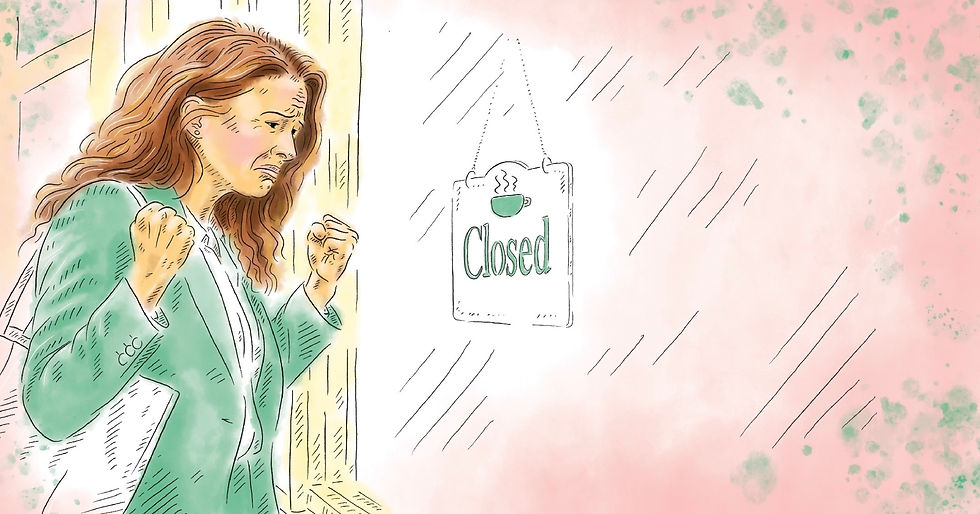
You’ve been looking forward to a special treat all morning. As an adult, your off-site break might include a latte and scone. However, if it turns out the coffee shop is closed, you might feel deflated but able to move on with your day. To contrast with a different stage of development, imagine you are a five-year-old in Room 7 who is anticipating being first in line, a heady accomplishment promoting powerful feelings of self-efficacy. When the time comes to line up, you make your way across the room confidently, only to find another child has gotten there before you. What a disaster! You’re in second place. The morning is ruined, and you burst into tears.
In the past, adults reprimanded children for reactions like these. Why be upset about your place in line? Get over it. However, your Room 7 teacher understands the intensity of your disappointment and suggests you take a few minutes by yourself to feel better. She and her colleagues are aware how important it is to acknowledge children’s intense reactions to frustration. In fact, they view helping their students learn to recover from emotions like disappointment as crucial in building a foundation for life-long emotional resilience.
Later, all three Room 7 teachers, Ms. Indi Wibisono, Ms. Izzy Prince, and Ms. Natalie Lowe, pretend to scuffle with each other about wanting to be first in line. Ms. Natalie even falls on the floor, making the children laugh. Their playacting reduces the clamor in the class about competing to be first, though these are complex issues that come up in different forms through the grades. These teachers tune in to various frustrations throughout the day that provide students with opportunities to learn to bounce back. Whether a child is upset about waiting for a turn, struggling on the climbing structure, or feeling discouraged with their attempts to draw, teachers try to be sensitive about how and when to intervene.
Today, there’s lots of talk about children’s lack of “frustration tolerance.” In a world that doesn’t value delayed gratification, how do we help children and young people learn to sit with discomfort and move step by step through a problem? As a specialist in social-emotional development, Ms. Indi feels it’s important not to step in too soon and prevent children from feeling disappointment. She says, “We don’t have to look for frustration. However, we do want to help children find words to unpack their feelings and guide them toward practical solutions when it occurs. Frustration can provide the fuel to keep going, rather than simply giving up.”
Imagine a world full of people who have learned to struggle to find positive solutions. We want to help children manage frustration well and become problem solvers can be a shared goal in our school community.