A Garden’s Soft Focus
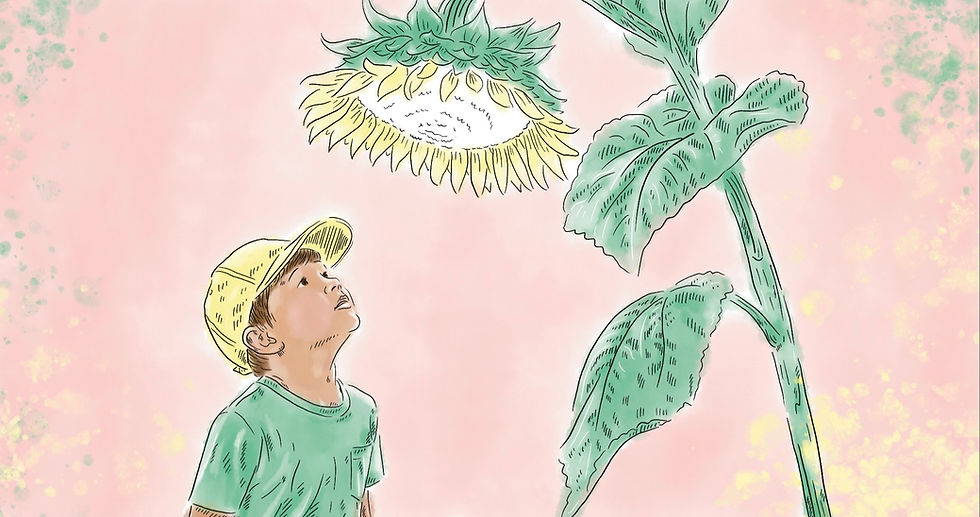
If our school gardens could talk, they would tell us about one of their important roles: offering the gift of soft focus to everyone who walks over their craggy surfaces. Through the decades, they may have changed form and shape, but our gardens have always been sources of crucial nurturance and restoration.
Countless children have soaked up the healing power of our gardens to support the growth of their inner worlds and the belief that they can be caretakers of the earth. They have also learned through the discoveries of nature walks and opportunities to plant, water, and harvest.
At the end of the year, we thank our classroom teachers, but we can also feel grateful for our gardens and our gardeners, adults and children, who tend our green spaces in preschool and in elementary school.
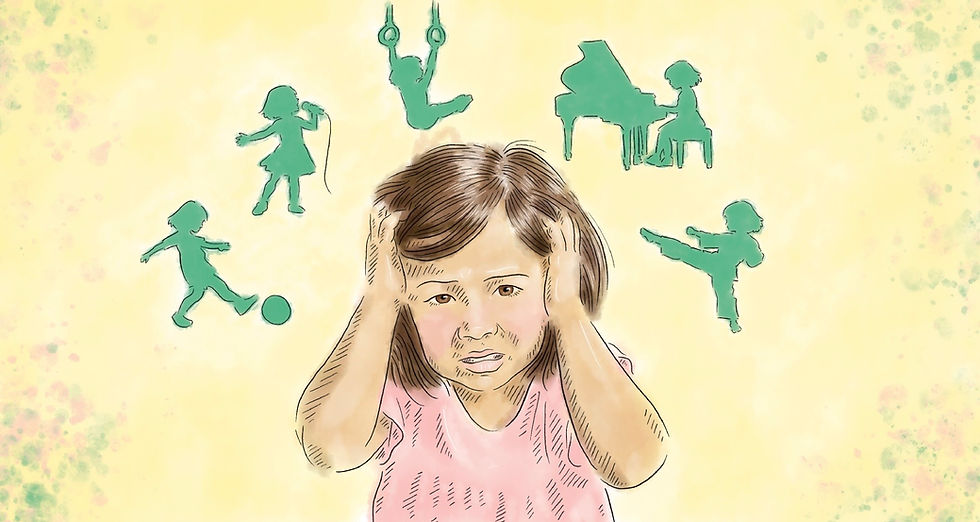
Scientists are increasingly aware that adults and children need the soft focus of nature—a state of effortless attention, or what used to be called reverie, in their over-scheduled lives.
Historically, reverie in nature was considered an important portal to mental clarity and even good character. Exploring that topic, PBS recently offered a documentary on Thoreau, who advocated for finding spiritual renewal through immersive observation of the living world. His writing changed the way people thought and wrote about nature.
Today scientists note that gardens invite us to become aware of the invisible communication networks between plants and insects and understand that we are a part, not the center, of a vibrating universe. Flowers possess invisible electrical auras and insects like bees have specialized hairs that allow them to sense those fields. When a bee lands, it temporarily changes the flower’s electricity, signaling to other bees that the nectar has been taken. Gardens teach us about interrelatedness.
Our school gardens and wild spaces are most of all bastions of wonder. Our alumni have often attested to the fact that our outdoor areas provided learning central to their development. As adults, they may not remember particular academic lessons, but they always recall the role those magical spaces played in their lives.
This week we enter a season that beckons us to let go of the exhausting focus of our hyper-productive, screen-saturated world and adopt a soft, restorative gaze as we relax into summer.
Summer wants us to savor the world around us, to let go our planning and preparing modes of being and slip into the soft focus of a Monet painting. I hope you all have time for restorative time off.
At any time of year, let’s teach children that when life feels demanding, they can access well-being by simply taking a sip of restoring reverie.